
Contents
- 1 What Fat Loss really is?
- 2 Why Fat Loss Needs a Different Approach for Indian Women
- 3 Understanding Fat Loss Versus Weight Loss
- 4 What Makes an Indian Meal Plan Effective for Fat Loss
- 5 Why Generic Diet Charts Often Fail
- 6 How Daily Meal Structure Impacts Fat Loss in Indian Women
- 7 The Problem With Skipping Meals
- 8 Ideal Meal Frequency for Fat Loss
- 9 What a Balanced Daily Plate Looks Like
- 10 Why Late-Night Eating Affects Fat Loss
- 11 Cultural Eating Patterns and How to Work With Them
- 12 Common Structural Mistakes to Avoid
- 13 Carbohydrates in an Indian Diet: Rice, Rotis, and Fat Loss
- 14 Why Carbohydrates Are Not the Enemy
- 15 Rice and Weight Loss: What Actually Matters
- 16 Rotis, Millets, and Alternatives
- 17 Portion Control Without Measuring Cups
- 18 Timing Carbohydrates for Better Fat Loss
- 19 Protein: The Missing Link in Most Indian Diets
- 20 Dietary Fats, Oils, and Cooking Methods in Fat Loss
- 21 Cooking Methods That Support Fat Loss
- 22 Vegetables, Fiber, and Digestion in Fat Loss
- 23 Hunger, Cravings, and Smart Snacking for Fat Loss
- 24 Physical Hunger Versus Emotional Hunger
- 25 Do You Need Snacks for Fat Loss
- 26 Smart Snack Options in an Indian Context
- 27 Managing Sweet Cravings
- 28 Stress, Sleep, and Hunger Hormones
- 29 Common Snacking Mistakes
- 30 Putting It All Together: Daily Indian Meal Patterns for Fat Loss
- 31 What a Balanced Fat Loss Day Can Look Like
- 32 Adjusting Meals Based on Lifestyle
- 33 Common Daily Mistakes That Slow Fat Loss
- 34 Frequently Asked Questions
- 34.1 Can Indian women lose fat without giving up rice completely
- 34.2 Is a vegetarian Indian meal plan effective for fat loss
- 34.3 How long does it take to see fat loss results
- 34.4 Do I need to count calories on an Indian diet plan for weight loss
- 34.5 Can traditional Indian foods support fat loss
- 34.6 Is dinner supposed to be very light for fat loss
- 35 Fat Loss Plateaus, Expectations, and Staying Consistent
- 36 What a Fat Loss Plateau Actually Means
- 37 Common Reasons Progress Slows Down
- 38 Why Chasing Faster Results Backfires
- 39 Tracking Progress Beyond the Scale
- 40 Staying Consistent Without Burnout
- 41 When to Adjust the Plan
- 42 Living With Your Indian Diet Plan Beyond Fat Loss
- 43 Shifting From Weight Loss to Maintenance
- 44 Flexibility Without Losing Control
- 45 Building a Sustainable Food Relationship
- 46 Adapting the Plan Across Life Stages
- 47 Long-Term Habits That Support Fat Balance
- 48 Eating Well Without Feeling Like You Are Dieting
What Fat Loss really is?
Fat loss is often discussed in extremes, but most Indian women do not need radical diets to see progress. What they need is clarity. This article is written for Indian women who want a realistic, sustainable approach to fat loss without giving up familiar foods, cultural eating patterns, or daily routines. Instead of chasing diet trends, this guide focuses on building an Indian diet plan for weight loss that works with the body, not against it.
,You will learn how everyday Indian meals can be structured to support fat loss, how portion balance matters more than food elimination, and why consistency often matters more than perfection. This article addresses common confusion around rice, rotis, protein intake, meal timing, and traditional foods. It also explains how a balanced diet for weight loss Indian women can actually follow long term looks very different from what social media often shows.
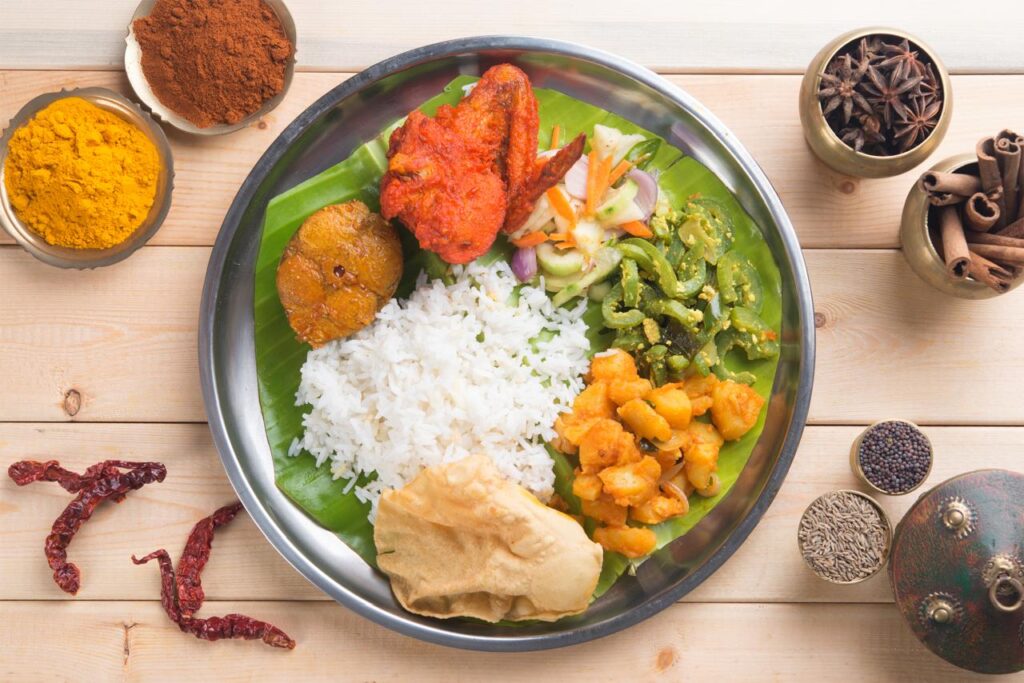
The goal here is not rapid weight loss, but steady fat loss that supports energy levels, digestion, hormones, and overall health. Whether you are working, managing a household, navigating irregular meal timings, or dealing with repeated weight regain, this guide is designed to meet you where you are.
TL;DR
- Fat loss for Indian women works best with structured meals, not extreme restriction
- An Indian diet plan for weight loss can include rice, rotis, and traditional foods
- Protein, fiber, and meal timing matter more than cutting calories aggressively
- Portion balance and daily consistency drive long-term fat loss
- Skipping meals or following rigid diet rules often backfires
- A sustainable Indian meal plan for fat loss adapts to lifestyle, not the other way around
- Weight loss improves when meals support digestion, satiety, and energy
- Personalisation matters more than copying generic diet charts
Why Fat Loss Needs a Different Approach for Indian Women
Most Indian women do not overeat all the time. In fact, many under-eat during the day, skip meals, and then feel out of control later. This pattern does not support fat loss. It often leads to slower metabolism, intense cravings, and weight gain around the abdomen and hips.
Cultural eating patterns also play a role. Indian meals are carb-centric by design, but the issue is not carbohydrates themselves. The issue is imbalance. When meals lack enough protein, fiber, and healthy fats, blood sugar rises quickly and hunger returns sooner than expected. Over time, this can make fat loss feel impossible even when food intake seems limited.
A balanced diet for weight loss Indian women can follow should stabilise energy, reduce cravings, and support digestion. This is why meal structure matters more than calorie obsession.
Understanding Fat Loss Versus Weight Loss
Fat loss and weight loss are not the same. Weight can fluctuate daily due to water retention, digestion, hormonal shifts, and sodium intake. Fat loss, however, is a slower biological process.
When the body feels under-fuelled, it often resists fat loss. This is why many women notice that eating slightly more, but in a structured way, actually improves results. An Indian diet plan for weight loss should aim to reduce fat mass while preserving muscle, energy, and nutrient intake.
In later parts, we will explore how meal composition influences fat storage, insulin response, and hunger signals.
What Makes an Indian Meal Plan Effective for Fat Loss
An effective Indian meal plan for fat loss is not built on restriction. It is built on balance and repeatability. Meals should be easy to prepare, familiar in taste, and adjustable across regions and preferences.
Key principles include:
- Including protein in every major meal
- Pairing carbohydrates with fiber and fats
- Eating at regular intervals to avoid long fasting gaps
- Prioritising home-cooked meals over constant snacking
This approach allows the body to access stored fat without triggering stress responses that slow progress.
Why Generic Diet Charts Often Fail
Many women follow downloaded diet charts that remove rice, suggest boiled vegetables for dinner, or drastically cut portions. These plans may show short-term weight loss, but they are rarely sustainable.
When food feels restrictive, adherence drops. Social events, family meals, and busy workdays make rigid plans unrealistic. Over time, this leads to cycles of dieting and weight regain.
This is why personalised plans work better. A structured Indian diet plan for weight loss that fits your routine is easier to maintain and more effective over time. If you want to explore how customised meal plans are created, you can refer to our guide on personalised Indian meal planning for women, which explains how age, lifestyle, and activity level influence food choices.
How Daily Meal Structure Impacts Fat Loss in Indian Women
Fat loss is influenced not only by what you eat, but also by how your meals are structured across the day. Many Indian women eat irregularly, often skipping breakfast, delaying lunch, and consuming the largest meal late at night. This pattern can disrupt hunger signals and make fat loss harder, even when total food intake seems low.
An effective Indian diet plan for weight loss focuses on distributing nutrients evenly across the day. When meals are spaced properly and balanced, the body is better able to manage blood sugar levels, reduce unnecessary snacking, and access stored fat for energy.
The Problem With Skipping Meals
Skipping meals is often seen as discipline, but physiologically it can work against fat loss. Long gaps between meals increase hunger hormones, slow digestion, and increase the likelihood of overeating later in the day. For many Indian women, this results in heavy dinners, late-night snacking, or cravings for quick carbohydrates.
When breakfast or lunch is skipped, the body tends to conserve energy. This can reduce daily movement, increase fatigue, and create a cycle where weight loss feels stuck. A balanced diet for weight loss Indian women can follow should support regular nourishment, not prolonged restriction.
Ideal Meal Frequency for Fat Loss
There is no single ideal number of meals, but consistency matters. Most women do well with:
- Three main meals
- One or two planned snacks, if needed
This structure helps stabilise energy levels and prevents reactive eating. The goal is not to eat constantly, but to avoid extreme hunger.
Meal timing should also align with lifestyle. A working woman with early mornings may need a different structure than someone working from home. The Indian meal plan for fat loss should adapt to real life rather than forcing rigid timings.
What a Balanced Daily Plate Looks Like
Every main meal should include three key components:
- A carbohydrate source for energy
- A protein source for satiety and muscle support
- Vegetables or fiber-rich foods for digestion
For example, a simple lunch could include rice or roti, a dal or curd-based protein, and a vegetable sabzi. The issue is not the presence of rice, but the absence of protein or vegetables in adequate amounts.
This principle will be explored further in the section on portion balance. If you want a deeper understanding of how Indian plate portions are structured for fat loss, you can explore our educational resource on Indian balanced plate method for weight management.
Why Late-Night Eating Affects Fat Loss
Late-night meals are not inherently bad, but they often become heavier and less balanced. After a long day of under-eating, the body seeks quick energy. This leads to larger portions, fried foods, or sweets.
Digestive capacity also slows at night. Heavy meals close to bedtime can cause bloating, poor sleep quality, and next-day fatigue. Over time, this pattern can interfere with fat loss efforts.
An Indian diet plan for weight loss encourages earlier, balanced meals so that dinner does not carry the burden of the entire day’s nutrition.
Cultural Eating Patterns and How to Work With Them
Indian households often follow fixed meal times influenced by family routines. This can be an advantage when used well. Shared meals can encourage regular eating and home-cooked food.
Instead of changing foods entirely, adjusting proportions is often enough. Reducing excess oil, increasing vegetable quantity, and adding protein can significantly improve meal quality without altering traditional recipes.
An Indian meal plan for fat loss should respect cultural habits while improving nutritional balance.
Common Structural Mistakes to Avoid
Some frequent issues seen in Indian diets include:
- Very small breakfasts with only tea or coffee
- Lunches dominated by carbohydrates without protein
- Long fasting gaps followed by heavy dinners
- Grazing on snacks instead of planned meals
These patterns can keep the body in a constant state of imbalance, making fat loss harder.
Carbohydrates in an Indian Diet: Rice, Rotis, and Fat Loss
One of the most common fears among Indian women trying to lose fat is carbohydrates. Rice and rotis are often the first foods removed when weight loss begins. However, eliminating staple carbohydrates rarely leads to sustainable fat loss. Instead, it often leads to fatigue, cravings, and eventual overeating.
An Indian diet plan for weight loss does not require cutting carbohydrates completely. It requires understanding how to choose them, portion them, and pair them correctly so they support energy and fat loss rather than working against it.
Why Carbohydrates Are Not the Enemy
Carbohydrates are the body’s primary energy source. When eaten in appropriate amounts, they support daily activity, exercise performance, and hormonal balance. The problem arises when carbohydrates dominate meals without enough protein, fiber, or fats to slow digestion.
In many Indian meals, rice or roti makes up most of the plate, while vegetables and protein play a minor role. This imbalance can cause rapid spikes in blood sugar followed by quick hunger. Over time, this pattern can contribute to fat storage, particularly around the abdomen.
A balanced diet for weight loss Indian women can follow focuses on correcting this imbalance rather than removing carbohydrates entirely.
Rice and Weight Loss: What Actually Matters
Rice is deeply embedded in Indian food culture and can be part of an Indian meal plan for fat loss. The key factors are:
- Portion size
- Type of rice
- What it is eaten with
Eating large servings of rice without adequate protein or vegetables can slow fat loss. However, moderate portions paired with dal, curd, vegetables, or lean protein can be satisfying and supportive of weight goals.
Switching between different varieties like parboiled rice, hand-pounded rice, or traditional varieties can also help improve satiety. The goal is not to label rice as good or bad, but to use it intentionally.
If you want a deeper understanding of how different rice varieties fit into weight management, you can refer to our detailed guide on choosing Indian rice varieties for fat loss.
Rotis, Millets, and Alternatives
Rotis made from whole wheat or mixed flours can also be included in a fat loss plan. The issue arises when rotis are eaten in large numbers with minimal protein or vegetables. Just like rice, rotis work best when balanced.
Millets are often promoted heavily for weight loss. While they can support digestion and provide variety, they are not magical. Millets are still carbohydrates and should be portioned appropriately.
An Indian diet plan for weight loss benefits from rotation rather than rigid rules. Some days may include rice, others rotis or millets, depending on preference and digestion.
Portion Control Without Measuring Cups
Most women do not want to weigh or measure food daily. Visual portion cues are more sustainable.
A simple approach includes:
- Carbohydrates taking up about one quarter of the plate
- Vegetables filling half the plate
- Protein occupying the remaining quarter
This structure naturally reduces excess carbohydrate intake without eliminating it. It also improves satiety and energy levels.
Timing Carbohydrates for Better Fat Loss
Carbohydrates are often better tolerated earlier in the day when activity levels are higher. This does not mean carbs cannot be eaten at night, but evening portions may need to be lighter and better balanced.
For women who walk or exercise regularly, carbohydrates help support recovery and prevent excessive fatigue. Removing them completely can reduce performance and consistency.
An Indian meal plan for fat loss should align carbohydrate intake with daily movement rather than rigid time rules.
Common Carb-Related Mistakes
Some frequent mistakes include:
- Completely eliminating rice or rotis
- Replacing meals with only salads or soups
- Overeating millets assuming they are unlimited
- Pairing carbs mainly with fats and very little protein
These patterns can slow progress and make fat loss feel harder than it needs to be.
Protein: The Missing Link in Most Indian Diets
If there is one nutrient that consistently holds back fat loss for Indian women, it is protein. Most traditional Indian meals are carbohydrate-heavy and vegetable-focused, but protein often appears in small amounts or is limited to one meal a day. This imbalance can make hunger harder to manage and fat loss slower than expected.
An effective Indian diet plan for weight loss places protein at the centre of every main meal. This does not mean eating large portions or relying on supplements. It means including realistic, culturally familiar protein sources in adequate quantities throughout the day.
Why Protein Matters for Fat Loss
Protein plays multiple roles in the body that directly support fat loss. It helps increase satiety, meaning you feel full for longer after meals. It also supports muscle maintenance, which is important because muscle tissue helps keep metabolism active.
When protein intake is low, the body may lose muscle along with weight. This can slow metabolic rate and make weight regain more likely. A balanced diet for weight loss Indian women can follow should protect muscle while reducing fat.
Protein also helps stabilise blood sugar when eaten with carbohydrates. This reduces energy crashes and frequent cravings.
How Much Protein Do Indian Women Need
Exact protein needs vary based on body weight, activity level, and age. However, many Indian women consume far less protein than recommended for fat loss.
Rather than focusing on numbers, a more practical approach is distribution. Protein should be included at:
- Breakfast
- Lunch
- Dinner
Even moderate amounts at each meal are more effective than a large portion at only one time.
For those interested in understanding protein needs more deeply, our educational article on protein requirements for Indian women explains how needs change across life stages.
Vegetarian Protein Sources That Support Fat Loss
A large proportion of Indian women follow vegetarian or mostly vegetarian diets. This does not prevent fat loss, but it does require intentional planning.
Some commonly used vegetarian protein sources include:
- Dals and legumes
- Curd and paneer in moderate amounts
- Sprouts
- Soy-based products
- Nuts and seeds in controlled portions
The challenge is that many of these foods also contain carbohydrates or fats. This makes portion balance important.
Rotating protein sources across meals improves nutrient intake and prevents monotony.
Non-Vegetarian Protein Options
For those who consume non-vegetarian foods, options like eggs, fish, and lean meats can make it easier to meet protein needs. However, cooking methods matter. Deep frying or heavy gravies can add unnecessary calories.
Simple preparations like boiling, grilling, steaming, or light sautéing work best for fat loss.
An Indian meal plan for fat loss can include both vegetarian and non-vegetarian proteins depending on preference, availability, and digestion.
Common Protein Mistakes
Some frequent issues include:
- Eating protein only at dinner
- Relying heavily on paneer or cheese daily
- Skipping protein at breakfast
- Overusing protein powders without improving meal quality
Protein supplements can be helpful in some cases, but they should not replace whole foods entirely.
How Protein Fits Into Traditional Meals
Protein does not have to feel separate from Indian meals. Dal, sambar, curd, legumes, and even vegetable-based dishes can contribute when portions are adjusted.
For example, increasing dal quantity slightly while reducing rice portion can improve balance without changing the meal itself. Small adjustments over time often lead to better adherence.
If you want practical examples of how to increase protein in everyday Indian meals, you can explore our resource on protein-rich Indian meal combinations for fat loss.
Dietary Fats, Oils, and Cooking Methods in Fat Loss
Dietary fat often creates confusion for Indian women trying to lose weight. Some believe all fats should be avoided, while others overconsume foods labeled as healthy fats. Both extremes can slow fat loss. The goal of an Indian diet plan for weight loss is not fat elimination, but fat awareness.
Fats are calorie-dense, but they also play an important role in hormone function, nutrient absorption, and satiety. When used in the right amounts and forms, fats can support a balanced diet for weight loss Indian women can maintain long term.
Why Fat Intake Still Matters During Fat Loss
Completely avoiding fats can make meals unsatisfying and lead to constant hunger. It can also affect hormonal balance, especially in women. However, excess fat intake, even from traditional or natural sources, can push total calorie intake higher than needed.
Fat loss improves when fats are used strategically rather than freely. This means being mindful of cooking oils, portion sizes, and preparation styles.
Common Indian Cooking Oils and Their Role
Indian kitchens use a variety of oils depending on region and tradition. Groundnut oil, sesame oil, coconut oil, mustard oil, and refined oils are commonly used.
No single oil causes weight gain by itself. What matters is:
- Quantity used per meal
- Frequency of oil-heavy cooking
- Combination with other calorie-dense foods
Using two to three teaspoons of oil across the entire day is often sufficient for most women aiming for fat loss. This includes oil used in cooking, tempering, and dressings.
Rotating oils rather than using large amounts of one type can help balance fatty acid intake.
For those interested in learning more, our guide on choosing cooking oils for Indian weight management explains how to use oils without excess.
Fried Foods and Fat Loss
Fried foods are deeply woven into Indian cuisine, especially snacks and festive dishes. While they can be enjoyed occasionally, frequent consumption can slow fat loss due to high calorie density and low satiety.
Instead of eliminating fried foods completely, reducing frequency and portion size works better. Reserving them for planned meals rather than impulsive snacking improves control.
An Indian meal plan for fat loss should create room for enjoyment without making indulgence the norm.
Ghee, Butter, and Traditional Fats
Traditional fats like ghee and butter are often viewed as either harmful or magical. In reality, they are simply concentrated fat sources.
Small amounts can add flavour and satiety, but excessive use can increase calorie intake quickly. Using ghee for tempering rather than free pouring helps control quantity.
Including these fats mindfully supports consistency without guilt.
Cooking Methods That Support Fat Loss
How food is prepared matters as much as what is eaten. Some methods naturally require less oil and preserve nutrients.
Fat loss–friendly cooking methods include:
- Steaming
- Pressure cooking
- Grilling
- Light sautéing
- Stir-frying with minimal oil
Reducing deep frying and heavy gravies can significantly improve meal quality without changing ingredients.
Hidden Fats in Everyday Meals
Many women underestimate fat intake because oils are not visible on the plate. Frequent tasting during cooking, multiple temperings, and adding extra oil for texture can add up.
Becoming aware of these hidden fats is often enough to reduce intake naturally.
Vegetables, Fiber, and Digestion in Fat Loss
Vegetables are often treated as an afterthought in Indian meals, added in small quantities or limited to one dish per day. However, fiber from vegetables plays a crucial role in fat loss, digestion, and appetite control. A balanced diet for weight loss Indian women can sustain should prioritise vegetables not as fillers, but as functional foods.
Fiber supports slower digestion, improved gut health, and better blood sugar regulation. When meals are low in fiber, hunger returns quickly, leading to frequent snacking and overeating.
Why Fiber Supports Fat Loss
Fiber adds volume to meals without adding many calories. This helps create a sense of fullness and reduces the likelihood of overeating. It also slows the absorption of carbohydrates, preventing sharp spikes and crashes in energy levels.
For Indian women, adequate fiber intake can also support digestion and reduce common complaints like bloating and constipation, which often worsen during restrictive dieting.
An Indian diet plan for weight loss should aim to include fiber-rich foods across all main meals.
Types of Fiber in Indian Foods
Indian diets naturally include a variety of fiber sources when meals are balanced properly. These include:
- Vegetables such as gourds, greens, beans, and cruciferous vegetables
- Fruits in moderate portions
- Whole grains and millets
- Legumes and pulses
Vegetables provide a mix of soluble and insoluble fiber, both of which are important for gut health.
Leafy greens and non-starchy vegetables are especially useful during fat loss because they allow larger portions without excess calories.
How Much Vegetables Should Be on the Plate
A simple and sustainable guideline is to fill half the plate with vegetables at lunch and dinner. This does not mean eating only salads. Cooked vegetables, stir-fries, curries, and soups all count.
Including a variety of colours improves nutrient intake and keeps meals interesting. Repeating the same vegetable daily can reduce appetite over time.
If you want help planning vegetable combinations that suit Indian cooking, you can explore our guide on vegetable selection for Indian weight loss meals.
Raw Versus Cooked Vegetables
There is a common belief that raw vegetables are superior for weight loss. While raw vegetables can be beneficial, they are not suitable for everyone. Many Indian women experience bloating or discomfort when consuming large amounts of raw salads.
Cooked vegetables are easier to digest and still retain most of their fiber and nutrients. Light cooking methods such as steaming or sautéing can improve tolerance.
An Indian meal plan for fat loss should consider digestion and comfort, not just nutritional theory.
Fiber and Meal Timing
Including vegetables at both lunch and dinner helps reduce portion sizes of calorie-dense foods naturally. Adding vegetables to breakfast, such as through vegetable omelettes, upma with vegetables, or dosa with sambar, further improves fiber intake.
Spacing fiber intake across the day is more effective than consuming large amounts in one meal.
Common Fiber-Related Mistakes
Some frequent issues include:
- Eating vegetables only once a day
- Relying solely on salads
- Avoiding vegetables due to bloating without adjusting cooking methods
- Assuming fruits alone provide enough fiber
Balancing vegetables with adequate protein and fats improves digestion and satiety.
Hunger, Cravings, and Smart Snacking for Fat Loss
Hunger is often misunderstood during weight loss. Many Indian women believe feeling hungry all the time is a sign that a diet is working. In reality, constant hunger usually indicates that meals are poorly balanced or mistimed. A well-designed Indian diet plan for weight loss should reduce unnecessary hunger, not intensify it.
Cravings are also not a lack of willpower. They are often signals of nutrient gaps, irregular eating patterns, or emotional triggers. Understanding the difference helps build a sustainable Indian meal plan for fat loss.
Physical Hunger Versus Emotional Hunger
Physical hunger develops gradually and is satisfied by a proper meal. Emotional hunger often appears suddenly and is tied to stress, boredom, fatigue, or routine habits.
Many women experience cravings in the late afternoon or evening, especially if earlier meals were small or skipped. This is not a failure, but a predictable response to under-fuelling.
A balanced diet for weight loss Indian women can follow aims to meet physical hunger consistently, reducing emotional eating over time.
Do You Need Snacks for Fat Loss
Snacks are not mandatory. Some women do well with three balanced meals, while others need one planned snack to prevent long gaps between meals.
The key is intentionality. Snacking should support meals, not replace them or become continuous grazing.
If snacks are included, they should contain protein, fiber, or both. Snacks based only on refined carbohydrates can increase hunger shortly after eating.
Smart Snack Options in an Indian Context
Effective snack choices are simple and familiar. Examples include:
- Fruit paired with nuts or seeds
- Curd with roasted chana
- Sprouts with vegetables
- Boiled eggs or paneer in moderate portions
Portion size matters even for healthy snacks. Eating large quantities mindlessly can slow fat loss.
If you want structured snack ideas tailored to Indian diets, our resource on healthy Indian snack planning for weight loss provides practical combinations.
Managing Sweet Cravings
Sweet cravings are common, especially in the evening. Instead of complete avoidance, planned inclusion works better for most women.
Including naturally sweet foods like fruit after meals or small portions of traditional sweets occasionally can reduce the urge to binge later.
Ensuring adequate protein at meals also reduces sugar cravings significantly.
Stress, Sleep, and Hunger Hormones
Stress and poor sleep can increase hunger hormones and reduce satiety signals. Many Indian women manage work, family, and household responsibilities with limited rest, which can directly affect fat loss.
No meal plan can fully compensate for chronic sleep deprivation. However, consistent meal timing and balanced nutrition can reduce its impact.
An Indian diet plan for weight loss should be paired with realistic lifestyle adjustments where possible.
Common Snacking Mistakes
Some frequent issues include:
- Skipping meals and relying on snacks
- Choosing only low-calorie snacks without protein
- Eating directly from packets
- Using snacks to cope with stress without awareness
Building awareness around why and when you snack is often more effective than eliminating snacks altogether.
Putting It All Together: Daily Indian Meal Patterns for Fat Loss
Understanding nutrition principles is helpful, but fat loss improves only when they are applied consistently in daily life. Many Indian women know what they should eat but struggle with how to structure meals across real, busy days. This section focuses on practical daily meal patterns that align with an Indian diet plan for weight loss without requiring drastic changes.
The goal is not perfection, but repeatability. When meals are simple, familiar, and balanced, adherence becomes easier and fat loss follows naturally.
What a Balanced Fat Loss Day Can Look Like
A fat loss–supportive day does not require special foods or complicated recipes. It requires structure.
A typical day may include:
- A nourishing breakfast with protein and carbohydrates
- A balanced lunch with vegetables, protein, and a staple carb
- A light, planned snack if there is a long gap
- A satisfying but not excessive dinner
Portion balance matters more than exact food choices. Swapping similar foods within the same structure keeps the plan flexible.
For women who prefer rice-based meals, a moderate portion of rice with dal, vegetables, and curd works well. For those who prefer rotis, the same balance applies.
If you want to see how these principles translate into structured plans, our overview of customised Indian meal plans for women explains how daily patterns are adapted based on routine and preferences.
Adjusting Meals Based on Lifestyle
No two days look the same. Some days involve travel, social events, or late work hours. An Indian meal plan for fat loss should account for this variability.
On busy days:
- Prioritise protein and vegetables at the next meal
- Avoid compensatory restriction the following day
- Focus on hydration and sleep where possible
Consistency over weeks matters more than any single day.
Common Daily Mistakes That Slow Fat Loss
Some patterns that commonly interfere with progress include:
- Very small breakfasts followed by heavy dinners
- Eating only carbohydrates at lunch
- Skipping vegetables due to time constraints
- Treating weekends as diet-free days
These habits may seem minor but can add up over time.
Frequently Asked Questions
Can Indian women lose fat without giving up rice completely
Yes. Fat loss depends on overall calorie balance, portion size, and meal composition. Rice can be included in moderate portions when paired with protein and vegetables. Removing rice is not mandatory for fat loss and often reduces sustainability.
Is a vegetarian Indian meal plan effective for fat loss
A vegetarian Indian meal plan can support fat loss when protein sources are planned properly. Including dals, curd, paneer in moderation, soy products, and legumes helps meet protein needs without relying on supplements.
How long does it take to see fat loss results
Fat loss is gradual. Most women notice changes in energy, digestion, and appetite first. Visible changes may take several weeks depending on consistency, starting point, and lifestyle factors.
Do I need to count calories on an Indian diet plan for weight loss
Calorie counting is not essential for everyone. Many women see results by focusing on portion balance, meal structure, and food quality. Tracking may help some, but it is not mandatory.
Can traditional Indian foods support fat loss
Yes. Home-cooked Indian foods, when prepared with controlled oil and balanced portions, can support fat loss. Traditional meals are often more sustainable than highly restrictive or foreign diet styles.
Is dinner supposed to be very light for fat loss
Dinner does not have to be minimal. It should be balanced and not compensate for missed meals earlier in the day. A satisfying dinner often improves sleep and next-day appetite control.
Fat Loss Plateaus, Expectations, and Staying Consistent
After following a structured approach for a few weeks, many Indian women feel discouraged when progress slows. This phase is often described as a plateau, but in most cases, it is a normal part of the fat loss process. Understanding what to expect helps prevent unnecessary changes that disrupt consistency.
An Indian diet plan for weight loss works best when expectations are realistic and adjustments are made thoughtfully rather than reactively.
What a Fat Loss Plateau Actually Means
A plateau does not always mean fat loss has stopped. Weight can stall due to factors such as water retention, hormonal changes, stress, or changes in digestion. Measurements, energy levels, and clothing fit often continue to improve even when the scale does not move.
Repeatedly changing diets during this phase can confuse the body and slow progress further. A balanced diet for weight loss Indian women can follow relies on patience and consistency.
Common Reasons Progress Slows Down
Some frequent contributors include:
- Under-eating for prolonged periods
- Inconsistent meal timing
- Reduced daily movement
- Increased stress or poor sleep
- Unnoticed increases in portion sizes
Addressing these factors often restarts progress without needing a new diet plan.
Why Chasing Faster Results Backfires
Aggressive calorie cuts or eliminating more foods may produce quick weight loss, but much of it comes from water or muscle loss. This often leads to fatigue, irritability, and eventual rebound weight gain.
Sustainable fat loss focuses on habits that can be maintained for months, not weeks. An Indian meal plan for fat loss should feel manageable even on busy or low-motivation days.
Tracking Progress Beyond the Scale
Relying only on body weight can be misleading. Other indicators of progress include:
- Improved digestion
- Reduced cravings
- Better energy levels
- Looser-fitting clothes
- Increased strength or stamina
Tracking these markers provides a more accurate picture of fat loss.
If you want guidance on structured progress tracking, our educational page on fat loss tracking methods for women explains how to monitor changes without obsession.
Staying Consistent Without Burnout
Consistency does not mean rigidity. It means returning to supportive habits even after disruptions. Travel, festivals, and social occasions are part of life and should not be treated as failures.
Planning ahead, balancing meals after indulgences, and avoiding all-or-nothing thinking help maintain progress.
An Indian diet plan for weight loss should support life, not compete with it.
When to Adjust the Plan
Adjustments may be needed if:
- Energy levels remain consistently low
- Hunger is constant despite balanced meals
- Weight or measurements have not changed for several weeks
Adjustments should be small, such as improving protein intake, reducing excess oil, or increasing daily movement, rather than drastic overhauls.
Living With Your Indian Diet Plan Beyond Fat Loss
Fat loss should not feel like a temporary phase that ends once a number on the scale is reached. For most Indian women, long-term success comes from continuing the same balanced habits that supported fat loss in the first place. When meals are nourishing, familiar, and flexible, there is no clear line between dieting and normal eating.
An Indian diet plan for weight loss works best when it naturally evolves into a maintenance pattern rather than stopping abruptly.
Shifting From Weight Loss to Maintenance
As fat loss progresses, appetite often improves and energy levels stabilise. This is a sign that the body is adapting. At this stage, drastic changes are not needed.
Maintenance involves:
- Keeping meal structure consistent
- Allowing slightly more flexibility in portions
- Continuing to prioritise protein and vegetables
- Eating mindfully during social occasions
This transition helps prevent weight regain and reduces mental fatigue around food.
Flexibility Without Losing Control
Flexibility does not mean abandoning structure. It means making informed choices without guilt. Enjoying festival foods, restaurant meals, or family gatherings occasionally does not undo progress.
What matters is returning to balanced meals afterward rather than compensating through restriction. A balanced diet for weight loss Indian women can maintain should support enjoyment as well as health.
Building a Sustainable Food Relationship
Many women approach dieting with fear of certain foods. Over time, this creates anxiety and repeated cycles of restriction and overeating. A healthier relationship with food involves understanding portions, balance, and context.
When foods are no longer labeled as forbidden, cravings often reduce naturally. This mental shift is just as important as nutritional changes.
Adapting the Plan Across Life Stages
Nutritional needs change with age, activity level, and hormonal shifts. What works in your early thirties may need adjustment later.
The strength of an Indian meal plan for fat loss lies in its adaptability. Rice, rotis, vegetables, and proteins can be adjusted in quantity and frequency without changing the foundation.
For women who want ongoing guidance, our service page on personalised weight loss programs for Indian women explains how plans are adapted as needs evolve.
Long-Term Habits That Support Fat Balance
Fat loss maintenance is supported by simple, repeatable habits:
- Regular meal timing
- Home-cooked meals most days
- Daily movement
- Adequate sleep
- Periodic self-check-ins
These habits help maintain results without constant tracking or dieting.
Eating Well Without Feeling Like You Are Dieting
The ultimate goal is to reach a point where balanced eating feels normal. When meals are enjoyable and nourishing, food stops being a daily struggle.
An Indian diet plan for weight loss should not separate weight loss eating from real life. When done right, they become the same thing.
This is where sustainable fat loss truly begins.
If you want to lose weight sustainably, join SHE-FITT’s Weight Loss Program.
SHE-FITT
EGMORE, CHENNAI
9443141199
.