
Weight loss with PCOD often feels confusing and frustrating, especially when common diet advice does not seem to work. This article is written for Indian women who are trying to manage weight while dealing with PCOD and want clarity without extreme rules. A PCOD weight loss diet is not about starving, cutting entire food groups, or following rigid plans copied from the internet. It is about understanding how food choices, meal structure, and consistency can support hormonal balance and gradual fat loss.
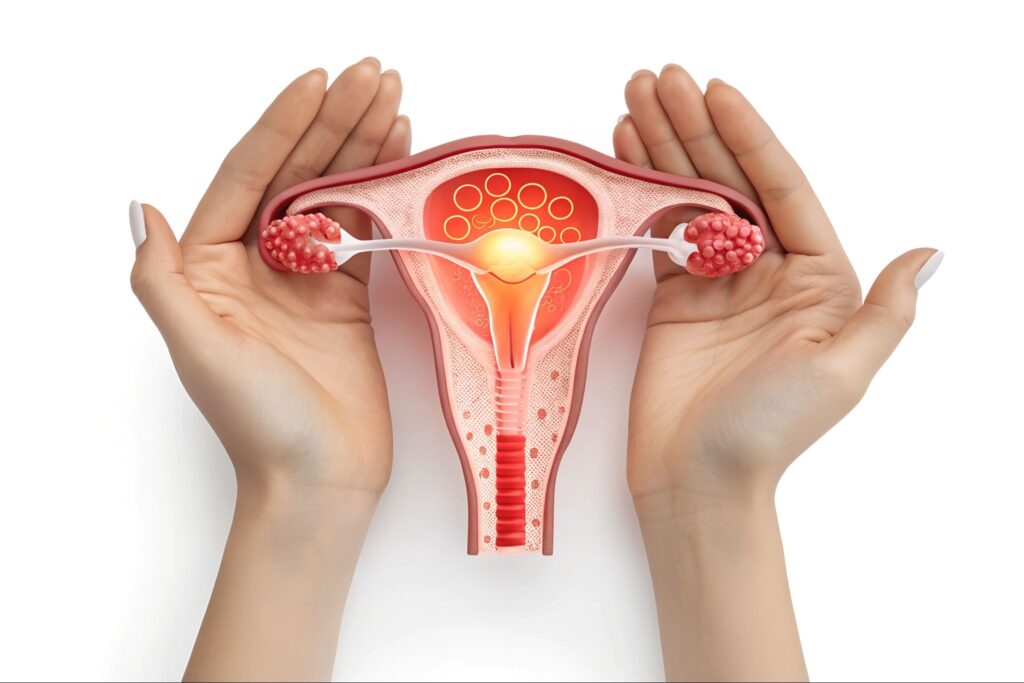
Across these ten parts, this guide explains how an Indian diet can be structured to support weight loss in PCOD without disrupting energy, digestion, or daily life. It addresses common fears around carbohydrates, insulin resistance, cravings, and irregular appetite. It also explains why many women with PCOD struggle despite eating very little and how a balanced Indian diet for PCOD can work when planned correctly.
This article is meant for women who want sustainable results, not short-term drops on the scale. The focus is on fat loss, better appetite control, and improved metabolic health using familiar Indian foods.
Contents
- 1 Why Weight Loss With PCOD Feels Different
- 2 PCOD, Insulin, and Fat Storage Explained Simply
- 3 Why Extreme Dieting Makes PCOD Worse
- 4 What a PCOD-Friendly Indian Diet Actually Means
- 5 Common Myths Around PCOD and Food
- 6 Weight Loss Versus Hormonal Balance
- 7 How Meal Timing and Daily Structure Affect PCOD Weight Loss
- 8 Why Irregular Eating Worsens PCOD Symptoms
- 9 Breakfast and PCOD: Why It Matters More Than You Think
- 10 Ideal Meal Frequency for PCOD Weight Loss
- 11 Lunch Structure and Energy Slumps
- 12 Evening Hunger and PCOD Cravings
- 13 Dinner Timing and Portion Balance
- 14 Water Intake and Meal Timing
- 15 Common Meal Timing Mistakes in PCOD
- 16 Carbohydrates and PCOD: What to Eat, What to Limit, and Why
- 17 Why Carbohydrates Matter Even in PCOD
- 18 Understanding Glycaemic Load in Simple Terms
- 19 Rice and PCOD Weight Loss
- 20 Rotis, Millets, and Grain Choices
- 21 Fruits and PCOD: Should They Be Limited
- 22 Common Carbohydrate Mistakes in PCOD
- 23 How to Structure Carbohydrates Across the Day
- 24 Protein and PCOD: Why It Is Non-Negotiable for Weight Loss
- 25 How Protein Supports PCOD Weight Loss
- 26 How Much Protein Do Women With PCOD Need
- 27 Protein at Breakfast: A Commonly Missed Opportunity
- 28 Vegetarian Protein Sources for PCOD
- 29 Non-Vegetarian Protein Options
- 30 Protein Supplements: Are They Necessary
- 31 Common Protein Mistakes in PCOD Diets
- 32 Dietary Fats and PCOD: How Much Is Helpful and How Much Is Too Much
- 33 Why Fat Intake Matters in PCOD
- 34 Indian Cooking Oils and Their Impact
- 35 Ghee, Butter, and Traditional Fats in PCOD
- 36 Fried Foods and Inflammation Concerns
- 37 Hidden Fats in Everyday Meals
- 38 Cooking Methods That Support PCOD Weight Loss
- 39 Nuts, Seeds, and Portion Awareness
- 40 Common Fat-Related Mistakes in PCOD Diets
- 41 Vegetables, Fiber, and Gut Health in a PCOD Weight Loss Diet
- 42 Why Fiber Is Especially Important in PCOD
- 43 Types of Fiber in an Indian Diet
- 44 How Much Vegetables Should Women With PCOD Eat
- 45 Raw Versus Cooked Vegetables in PCOD
- 46 Fiber and Hormone Detox Pathways
- 47 Vegetables That Work Well in PCOD Diets
- 48 Fiber Timing Across the Day
- 49 Common Fiber-Related Mistakes in PCOD
- 50 Hunger, Cravings, and Emotional Eating in PCOD
- 51 Understanding Hunger Signals in PCOD
- 52 Why Cravings Are Stronger in the Evening
- 53 Do You Need Snacks on a PCOD Weight Loss Diet
- 54 PCOD-Friendly Snack Patterns in an Indian Diet
- 55 Managing Sweet Cravings Without Elimination
- 56 Emotional Eating and PCOD
- 57 Sleep, Stress, and Appetite Hormones
- 58 Common Hunger and Snacking Mistakes in PCOD
- 59 Putting It Into Practice: A Realistic Indian Eating Pattern for PCOD
- 60 What a Balanced PCOD-Friendly Day Can Look Like
- 61 Adjusting Meals Based on Your Lifestyle
- 62 Common Daily Mistakes That Slow PCOD Weight Loss
- 63 Frequently Asked Questions
- 63.1 Can women with PCOD lose weight without cutting rice completely
- 63.2 Is a low-carb diet necessary for PCOD weight loss
- 63.3 How long does it take to see weight loss results with PCOD
- 63.4 Can a vegetarian Indian diet support PCOD weight loss
- 63.5 Should dinner be very light for PCOD weight loss
- 63.6 Is calorie counting required for PCOD weight loss
- 64 PCOD Weight Loss Plateaus, Expectations, and Staying Consistent
- 65 What a Plateau Really Means in PCOD
- 66 Why Progress Feels Slower With PCOD
- 67 Common Reasons Weight Loss Stalls
- 68 Why Constant Diet Changes Hurt Progress
- 69 Tracking Progress Beyond the Scale
- 70 Mindset Shifts That Support PCOD Weight Loss
- 71 When to Make Adjustments
- 72 Moving Beyond Dieting: Long-Term Eating for PCOD and Weight Stability
- 73 Transitioning From Weight Loss to Maintenance With PCOD
- 74 Flexibility Without Losing Control
- 75 Building a Healthy Relationship With Food in PCOD
- 76 Adapting Eating Patterns Across Life Stages
- 77 Habits That Support Long-Term Weight Balance
- 78 Eating Well Without Feeling Like You Are Always on a Diet
TL;DR
- A PCOD weight loss diet focuses on balance, not severe restriction
- Eating too little can worsen cravings and slow fat loss in PCOD
- Carbohydrates can be included when portions and pairings are managed
- Protein and fiber play a key role in appetite control and insulin response
- Meal timing and consistency matter more than eating very low calories
- Traditional Indian foods can support PCOD weight loss when structured well
- Sustainability is more important than rapid results
- A balanced Indian diet for PCOD adapts to lifestyle and symptoms
Why Weight Loss With PCOD Feels Different
Many women with PCOD feel that weight gain happens easily and weight loss feels unusually slow. This is not due to a lack of effort or discipline. PCOD often affects how the body handles insulin, hunger signals, and fat storage. As a result, common dieting approaches may backfire.
Skipping meals, eating very small portions, or avoiding carbohydrates completely can increase stress hormones and worsen cravings. Over time, this pattern may lead to binge eating, fatigue, and weight regain.
A PCOD weight loss diet needs to support the body rather than constantly push it into survival mode.
PCOD, Insulin, and Fat Storage Explained Simply
Insulin is a hormone that helps move glucose from the blood into cells. In many women with PCOD, the body does not respond to insulin efficiently. This can lead to higher insulin levels, which may promote fat storage, especially around the abdomen.
This does not mean carbohydrates must be eliminated. It means carbohydrates need to be:
- Portion controlled
- Paired with protein and fiber
- Spread evenly across the day
A balanced Indian diet for PCOD aims to reduce sharp insulin spikes rather than avoid insulin entirely.
Why Extreme Dieting Makes PCOD Worse
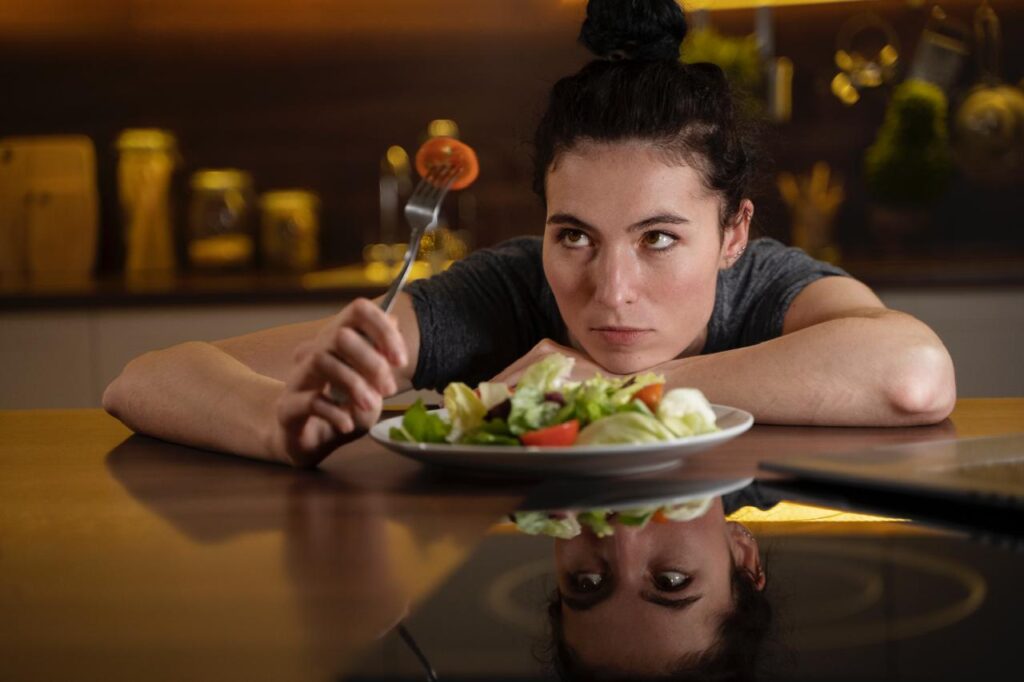
Many Indian women with PCOD try repeated cycles of strict dieting. They may eat very little during the day, skip meals, or rely on liquids and salads. While this may show quick weight loss initially, it often leads to hormonal stress.
When the body senses prolonged under-eating, it adapts by slowing metabolism and increasing hunger signals. For women with PCOD, this response can be stronger, making fat loss harder over time.
A sustainable PCOD weight loss diet focuses on adequate nourishment with structure, not deprivation.
What a PCOD-Friendly Indian Diet Actually Means
A PCOD-friendly diet is not a special diet with exotic foods. It is an Indian diet adjusted for balance and consistency.
Key principles include:
- Regular meals to avoid blood sugar crashes
- Protein included in every main meal
- Adequate fiber from vegetables and whole foods
- Moderate carbohydrate portions rather than elimination
- Controlled use of oils and sugars
These principles help stabilise appetite and energy levels, which supports weight loss over time.
If you want to understand how personalised PCOD meal plans are structured based on symptoms and lifestyle, you can refer to our educational page on customised Indian diet plans for PCOD management.
Common Myths Around PCOD and Food
There are several myths that create unnecessary fear around eating with PCOD.
One common belief is that eating less automatically leads to weight loss. In reality, consistently eating too little can worsen hormonal imbalance and slow progress.
Another myth is that rice or rotis must be avoided completely. While portion control matters, eliminating staple foods often reduces adherence and increases cravings.
A balanced Indian diet for PCOD works best when it fits cultural eating patterns and daily routines.
Weight Loss Versus Hormonal Balance
Weight loss and hormonal balance are closely linked, but they do not always move at the same pace. Many women notice improvements in energy, cycles, digestion, or cravings before significant weight changes.
These early signs often indicate that the body is responding positively. Chasing rapid scale changes during this phase can disrupt progress.
A PCOD weight loss diet should support long-term fat loss rather than short-term weight fluctuation
How Meal Timing and Daily Structure Affect PCOD Weight Loss
For many Indian women with PCOD, what they eat is given far more importance than when and how they eat. In reality, meal timing and daily structure play a major role in appetite regulation, insulin response, and fat storage. A PCOD weight loss diet that ignores meal timing often leads to fatigue, intense cravings, and stalled progress even when food choices appear correct.
This part focuses on how to organise meals across the day in a way that supports weight loss without creating stress on the body.
Why Irregular Eating Worsens PCOD Symptoms
Irregular eating patterns are very common. Skipping breakfast, delaying lunch, and eating the largest meal late at night has become normal for many women juggling work, family, and responsibilities. In PCOD, this pattern can worsen insulin resistance and increase hunger later in the day.
Long gaps between meals can cause sharp drops in blood sugar. When food is finally consumed, insulin levels rise higher than needed. Over time, this cycle may promote fat storage and increase cravings for quick carbohydrates.
A balanced Indian diet for PCOD works best when meals are eaten at fairly regular intervals, even if the exact timing changes day to day.
Breakfast and PCOD: Why It Matters More Than You Think
Breakfast does not need to be heavy, but skipping it regularly can backfire in PCOD. The first meal of the day helps regulate appetite hormones and sets the tone for energy levels.
Women who skip breakfast often notice:
- Strong cravings by late morning
- Overeating at lunch
- Increased desire for sweets in the evening
Including protein and fiber at breakfast may help stabilise blood sugar and reduce cravings later in the day. This does not mean elaborate cooking. Simple Indian breakfasts can be adjusted for balance.
If you want examples of PCOD-friendly Indian breakfast structures, our guide on PCOD-friendly breakfast planning explains how to build meals without removing traditional foods.
Ideal Meal Frequency for PCOD Weight Loss
There is no single perfect meal frequency. However, most women with PCOD do well with:
- Three main meals
- One planned snack if needed
The goal is to avoid extreme hunger while also preventing constant grazing. Eating every two hours is not necessary, but going six to eight hours without food often leads to overeating later.
A PCOD weight loss diet benefits from predictability. When the body knows food is coming regularly, stress hormones reduce and appetite becomes easier to manage.
Lunch Structure and Energy Slumps
Lunch is often the most unbalanced meal of the day. Many Indian lunches are dominated by rice or rotis with minimal protein. This can lead to post-lunch sleepiness and cravings within a few hours.
A PCOD-friendly lunch should include:
- A controlled portion of carbohydrates
- A clear protein source
- Adequate vegetables
- Moderate fats
This structure helps maintain steady energy through the afternoon and reduces the urge to snack excessively.
For women who experience severe afternoon cravings, improving lunch balance often makes a noticeable difference.
Evening Hunger and PCOD Cravings
Evening cravings are one of the most common struggles in PCOD. This is rarely due to lack of willpower. It is often the result of:
- Under-eating earlier in the day
- Poor sleep
- High stress levels
Instead of trying to suppress evening hunger, planning for it works better. A small, balanced snack can prevent overeating at dinner.
An Indian PCOD weight loss diet should account for real hunger patterns rather than forcing rigid rules.
Dinner Timing and Portion Balance
Dinner does not need to be extremely light to support weight loss. However, very heavy dinners eaten late at night can affect digestion and sleep quality.
Eating dinner at least two to three hours before bedtime may support better digestion and hormonal regulation. Portion balance matters more than food elimination.
A balanced Indian diet for PCOD allows dinner to be satisfying while still aligned with daily energy needs.
Water Intake and Meal Timing
Dehydration can sometimes be mistaken for hunger. Many women drink very little water during the day and compensate with tea or coffee. This can worsen cravings and fatigue.
Sipping water between meals rather than during large meals may support digestion and appetite awareness.
Hydration is a supportive habit within a PCOD weight loss diet, not a replacement for proper meals.
Common Meal Timing Mistakes in PCOD
Some patterns that commonly slow progress include:
- Skipping breakfast regularly
- Eating one very large meal per day
- Relying heavily on tea or coffee instead of food
- Eating late-night meals due to prolonged fasting
Correcting these habits often improves energy and appetite within a few weeks.
Carbohydrates and PCOD: What to Eat, What to Limit, and Why
Carbohydrates are often the most misunderstood part of a PCOD weight loss diet. Many Indian women are told to avoid rice, rotis, fruits, or even vegetables because of insulin resistance. This advice creates fear around food and makes long-term consistency difficult. The problem is rarely carbohydrates alone. It is how they are chosen, portioned, and combined with other nutrients.
A balanced Indian diet for PCOD does not remove carbohydrates completely. It manages them in a way that supports stable energy levels and gradual fat loss.
Why Carbohydrates Matter Even in PCOD
Carbohydrates provide the body with glucose, which is the preferred fuel for the brain and muscles. When carbohydrates are drastically reduced, the body experiences stress. In women with PCOD, this stress response can worsen cravings, disturb sleep, and increase the urge to binge later.
Insulin resistance does not mean the body cannot handle carbohydrates at all. It means the body needs a slower, more controlled release of glucose into the bloodstream. This is achieved through food quality, portion control, and meal balance.
A PCOD weight loss diet works best when carbohydrates are used strategically rather than eliminated.
Understanding Glycaemic Load in Simple Terms
Instead of focusing only on glycaemic index, which can be confusing, it helps to think in terms of glycaemic load. This refers to how much and how fast carbohydrates raise blood sugar when eaten in real portions.
Large portions of refined carbohydrates eaten alone tend to raise blood sugar quickly. Smaller portions eaten with protein, fiber, and fats are absorbed more slowly.
For example, rice eaten with dal, vegetables, and curd affects the body differently than rice eaten alone or with only oil-heavy gravies.
A balanced Indian diet for PCOD uses this principle to reduce insulin spikes without strict rules.
Rice and PCOD Weight Loss
Rice is a staple in many Indian households and does not need to be removed for PCOD weight loss. The focus should be on:
- Portion size
- Frequency
- Meal pairing
Eating very large portions of rice at multiple meals may slow fat loss, but moderate portions can fit into a PCOD weight loss diet when balanced properly.
Using slightly smaller servings and increasing vegetables and protein on the plate often leads to better appetite control without feelings of deprivation.
If you want to understand how different rice types affect satiety and digestion, our educational guide on rice choices in Indian weight loss diets explains how to include rice mindfully.
Rotis, Millets, and Grain Choices
Rotis made from whole wheat or mixed flours can be part of a PCOD-friendly diet. However, eating several rotis without enough protein or vegetables can lead to energy crashes and hunger.
Millets are often promoted as a solution for PCOD. While they offer fiber and variety, they are still carbohydrates. Overeating millets can affect blood sugar just like overeating rice or wheat.
Rotating grains based on preference, digestion, and availability works better than rigid rules. A PCOD weight loss diet benefits from flexibility rather than fixation on a single grain.
Fruits and PCOD: Should They Be Limited
Fruits are often unnecessarily restricted in PCOD diets. While fruits contain natural sugars, they also provide fiber, vitamins, and antioxidants.
Whole fruits eaten in appropriate portions are usually well tolerated, especially when paired with meals or snacks that include protein or fats. Fruit juices and dried fruits, however, can raise blood sugar more rapidly and are better limited.
A balanced Indian diet for PCOD includes fruits as part of meals or planned snacks rather than avoiding them completely.
Common Carbohydrate Mistakes in PCOD
Some frequent issues include:
- Eliminating all grains and then bingeing later
- Eating carbohydrates mainly at night after under-eating all day
- Overeating millets assuming they are unlimited
- Replacing meals with only salads or liquids
These patterns often increase stress and slow fat loss rather than improve it.
How to Structure Carbohydrates Across the Day
Most women with PCOD tolerate carbohydrates better when they are spread across meals rather than concentrated in one meal. This supports steady energy and reduces intense hunger.
Carbohydrates paired with protein at breakfast and lunch often work well. Dinner portions may be slightly lighter, depending on activity and appetite.
There is no need for perfection. Consistency over time matters more than exact timing.
Protein and PCOD: Why It Is Non-Negotiable for Weight Loss
If there is one dietary gap that consistently slows weight loss in PCOD, it is inadequate protein intake. Many Indian women consume enough calories but very little protein spread across the day. In PCOD, this imbalance can worsen insulin resistance, increase cravings, and make fat loss feel much harder than it needs to be.
A PCOD weight loss diet places protein at the centre of every main meal, not as an add-on or optional component.
How Protein Supports PCOD Weight Loss
Protein plays a direct role in managing several PCOD-related challenges.
First, protein improves satiety. Meals with adequate protein help you feel full for longer, reducing the urge to snack frequently or overeat later. This is particularly helpful for women who experience intense evening cravings.
Second, protein supports muscle mass. Preserving muscle is important because muscle tissue helps regulate metabolism. When dieting is too restrictive and protein is low, muscle loss can occur, which may slow metabolic rate over time.
Third, protein helps stabilise blood sugar. When carbohydrates are eaten with protein, glucose enters the bloodstream more gradually. This supports better insulin response, which is a key goal in a balanced Indian diet for PCOD.
How Much Protein Do Women With PCOD Need
Protein needs vary based on body weight, activity level, and overall health. However, many women with PCOD consume far less protein than what supports fat loss.
Rather than focusing on exact gram targets initially, a more practical approach is distribution. Protein should appear at:
- Breakfast
- Lunch
- Dinner
Even moderate portions at each meal are more effective than a large protein intake at only one meal.
For women who are physically active or strength training, protein needs may be slightly higher. If you want to understand how protein needs differ across lifestyles, our educational resource on protein requirements for Indian women explains this in detail.
Protein at Breakfast: A Commonly Missed Opportunity
Breakfast is often the lowest-protein meal in Indian diets. Tea, coffee, biscuits, toast, or simple carb-heavy dishes are common. In PCOD, this can set the stage for cravings and energy crashes later in the day.
Adding protein to breakfast may help regulate appetite hormones and reduce mid-morning hunger. This does not require complex cooking. Simple adjustments can make a big difference.
Examples include:
- Adding curd or paneer to traditional breakfasts
- Including eggs where preferred
- Increasing dal or sambar portions
- Pairing carbohydrates with a protein source
A PCOD weight loss diet benefits greatly from a protein-inclusive first meal.
Vegetarian Protein Sources for PCOD
Many Indian women follow vegetarian diets, either fully or mostly. Fat loss with PCOD is still achievable, but protein intake needs to be planned intentionally.
Common vegetarian protein sources include:
- Dals and legumes
- Curd and paneer in controlled portions
- Sprouts
- Soy-based foods
- Nuts and seeds in small quantities
Because some vegetarian protein sources also contain carbohydrates or fats, portion balance is important. Relying heavily on paneer or nuts alone may increase calorie intake without improving satiety.
Rotating protein sources across meals improves nutrient intake and digestion.
Non-Vegetarian Protein Options
For women who consume non-vegetarian foods, eggs, fish, and lean meats can make it easier to meet protein needs. These foods are generally more protein-dense and can support satiety with smaller portions.
Cooking methods matter. Grilling, boiling, steaming, or light sautéing supports fat loss better than deep frying or heavy gravies.
A PCOD weight loss diet can include non-vegetarian foods without excess when portions and preparation are managed.
Protein Supplements: Are They Necessary
Protein powders are not mandatory for PCOD weight loss. Many women can meet their needs through whole foods when meals are planned well.
Supplements may be useful in specific situations, such as:
- Very busy schedules
- Low appetite in the morning
- Higher activity levels
However, supplements should support meals, not replace them entirely. Relying solely on shakes without improving meal balance often leads to nutrient gaps.
Common Protein Mistakes in PCOD Diets
Some frequent issues include:
- Eating protein only at dinner
- Skipping protein at breakfast
- Overusing paneer or cheese daily
- Assuming vegetables alone provide enough protein
Correcting these patterns often improves appetite control within weeks.
Dietary Fats and PCOD: How Much Is Helpful and How Much Is Too Much
Dietary fat is often misunderstood in PCOD management. Some women remove fats completely, while others increase fat intake assuming it will automatically improve insulin resistance. Neither extreme supports long-term weight loss. A PCOD weight loss diet uses fats deliberately, in controlled amounts, to support hormones without excess calories.
Fats are calorie-dense, but they are also necessary for nutrient absorption, satiety, and hormonal health. The key is quality, quantity, and cooking method.
Why Fat Intake Matters in PCOD
Hormones are built from fats. When dietary fat intake is too low for long periods, hormonal balance can be affected, leading to fatigue, irregular appetite, and poor cycle regulation. At the same time, excessive fat intake can increase overall calorie load and slow fat loss.
In PCOD, fats may help:
- Improve satiety and reduce constant hunger
- Slow digestion of carbohydrates
- Support absorption of fat-soluble vitamins
A balanced Indian diet for PCOD includes fats in moderation, not elimination.
Indian Cooking Oils and Their Impact
Indian kitchens use a variety of oils depending on region and tradition. Commonly used oils include groundnut oil, sesame oil, coconut oil, mustard oil, and refined vegetable oils.
No single oil causes PCOD or weight gain on its own. What matters is:
- Total quantity used per day
- Frequency of oil-heavy cooking
- Combining oils with already calorie-dense meals
For most women aiming for fat loss, limiting total visible oil intake across the day supports progress. This includes oil used for cooking, tempering, and finishing dishes.
Rotating oils rather than using one oil excessively can help maintain balance.
If you want deeper clarity on choosing oils wisely, our educational guide on cooking oils in Indian weight loss diets explains how to use traditional oils without excess.
Ghee, Butter, and Traditional Fats in PCOD
Ghee and butter are often either glorified or completely avoided. In reality, they are concentrated fat sources and should be treated as such.
Small amounts used for flavour or tempering can fit into a PCOD weight loss diet. Using ghee generously across multiple meals, however, can quickly increase calorie intake.
The goal is mindful use, not daily heavy consumption or total avoidance.
Fried Foods and Inflammation Concerns
Frequent consumption of fried foods may worsen inflammation and insulin resistance in some women with PCOD. While occasional fried foods can be part of life, regular intake can slow weight loss and affect digestion.
Instead of eliminating fried foods entirely, reducing frequency and portion size works better. Planning indulgences intentionally prevents guilt-driven overeating later.
A PCOD weight loss diet should create space for enjoyment without making fried foods a routine habit.
Hidden Fats in Everyday Meals
Many women underestimate fat intake because it is not always visible. Multiple temperings, tasting during cooking, and adding oil for texture can add up over the day.
Restaurant meals also tend to be higher in oil than home-cooked food, even when dishes appear simple.
Becoming aware of hidden fats often leads to natural reduction without strict tracking.
Cooking Methods That Support PCOD Weight Loss
How food is prepared can significantly influence fat intake. Some cooking methods require very little oil while still preserving flavour.
PCOD-friendly cooking methods include:
- Steaming
- Pressure cooking
- Grilling
- Light sautéing
- Stir-frying with minimal oil
Reducing deep frying and heavy gravies supports digestion and calorie control without changing ingredients.
Nuts, Seeds, and Portion Awareness
Nuts and seeds are often recommended for PCOD due to their nutrient content. While they can be beneficial, they are also calorie-dense.
Small portions work best. Eating large quantities daily may stall fat loss despite their health benefits.
Including nuts and seeds as part of meals or planned snacks rather than mindless munching supports balance.
Common Fat-Related Mistakes in PCOD Diets
Some frequent issues include:
- Eliminating fats completely and feeling constantly hungry
- Overusing ghee or coconut oil assuming they are unlimited
- Eating fried snacks frequently under the label of homemade
- Ignoring hidden fats in curries and restaurant food
Correcting these patterns often improves appetite control and digestion.
Vegetables, Fiber, and Gut Health in a PCOD Weight Loss Diet
Vegetables are often underestimated in PCOD management. Many women focus heavily on cutting calories or carbohydrates while ignoring fiber intake. In reality, fiber plays a critical role in appetite control, insulin sensitivity, gut health, and hormone regulation. A PCOD weight loss diet that is low in fiber often leads to bloating, constipation, sugar cravings, and poor satiety.
A balanced Indian diet for PCOD prioritises vegetables not as side dishes, but as a core part of every main meal.
Why Fiber Is Especially Important in PCOD
Fiber slows digestion and helps regulate how glucose enters the bloodstream. This is particularly important in PCOD, where insulin response is often impaired. When meals lack fiber, blood sugar rises quickly and drops sharply, triggering hunger and cravings soon after.
Adequate fiber intake may help:
- Improve insulin sensitivity
- Reduce frequent hunger
- Support gut health
- Improve bowel regularity
- Reduce inflammation over time
Fiber also supports a healthy gut microbiome, which is increasingly linked to metabolic and hormonal health.
Types of Fiber in an Indian Diet
Indian diets naturally include both soluble and insoluble fiber when meals are balanced properly.
Soluble fiber, found in foods like legumes, fruits, and some vegetables, helps slow digestion and stabilise blood sugar.
Insoluble fiber, found in vegetables, whole grains, and leafy greens, supports digestion and regular bowel movements.
A PCOD weight loss diet benefits from a mix of both types rather than focusing on supplements alone.
How Much Vegetables Should Women With PCOD Eat
A practical and sustainable guideline is to include vegetables in at least two main meals every day. Ideally, half the plate at lunch and dinner should come from vegetables.
This does not mean eating only salads. Cooked vegetables, stir-fries, curries, and soups all contribute to fiber intake.
Increasing vegetable quantity often allows natural reduction of rice or roti portions without conscious restriction.
If you want help selecting vegetables that suit digestion and PCOD symptoms, our educational resource on vegetable selection for PCOD-friendly Indian meals explains how to rotate choices effectively.
Raw Versus Cooked Vegetables in PCOD
Raw vegetables are often promoted heavily for weight loss, but they are not suitable for everyone. Many women with PCOD experience bloating, gas, or discomfort when consuming large raw salads, especially in the evening.
Cooked vegetables are easier to digest and still provide fiber and nutrients. Light cooking methods such as steaming or sautéing can improve tolerance without reducing benefits.
A balanced Indian diet for PCOD should prioritise digestive comfort along with nutrition.
Fiber and Hormone Detox Pathways
Fiber supports the elimination of excess hormones through the digestive system. When fiber intake is low and bowel movements are irregular, hormonal byproducts may be reabsorbed, potentially worsening symptoms.
Regular fiber intake supports healthy elimination and may indirectly support hormonal balance over time. This is one reason constipation is commonly addressed in PCOD nutrition plans.
Vegetables That Work Well in PCOD Diets
Most vegetables can be included, but variety matters. Rotating vegetables helps improve nutrient intake and prevents digestive discomfort.
Commonly well-tolerated vegetables include:
- Gourds and squash
- Beans and carrots
- Leafy greens
- Cabbage and cauliflower in moderate amounts
- Okra and eggplant
Listening to individual tolerance is important. A PCOD weight loss diet should adapt to digestion rather than forcing foods that cause discomfort.
Fiber Timing Across the Day
Distributing fiber across meals works better than consuming large amounts at one time. Adding vegetables at breakfast, lunch, and dinner supports steady digestion and appetite control.
Very high fiber meals late at night may cause bloating in some women. Adjusting timing and cooking style often improves comfort.
Common Fiber-Related Mistakes in PCOD
Some frequent issues include:
- Eating vegetables only once a day
- Relying solely on salads
- Avoiding vegetables due to bloating without adjusting preparation
- Assuming fruits alone provide enough fiber
Correcting these patterns often improves digestion and hunger within a few weeks.
Hunger, Cravings, and Emotional Eating in PCOD
Hunger and cravings are often the most exhausting part of trying to lose weight with PCOD. Many women feel hungry even after eating, crave sweets in the evening, or struggle with loss of control around food. These experiences are not personal failures. They are often signals that the body is not receiving consistent nourishment or is under chronic stress.
A PCOD weight loss diet should reduce constant hunger and bring predictability to appetite, not intensify food-related anxiety.
Understanding Hunger Signals in PCOD
Hunger in PCOD is influenced by multiple factors, including insulin response, sleep quality, stress levels, and meal composition. When meals lack protein or fiber, hunger returns quickly. When meals are delayed or skipped, hunger hormones increase and override rational decision-making.
True physical hunger builds gradually and can be satisfied by a balanced meal. Cravings that appear suddenly, especially for sweets or salty snacks, are often linked to blood sugar dips, emotional stress, or fatigue.
A balanced Indian diet for PCOD focuses on stabilising these signals rather than suppressing them.
Why Cravings Are Stronger in the Evening
Evening cravings are extremely common in PCOD. This usually happens due to:
- Inadequate breakfast or lunch
- Long gaps between meals
- High mental or emotional stress during the day
- Poor sleep the previous night
By evening, the body seeks quick energy. If earlier meals were low in protein or calories, cravings intensify.
Instead of fighting evening hunger, planning for it works better. A small, balanced snack can prevent overeating at dinner and reduce guilt-driven choices.
Do You Need Snacks on a PCOD Weight Loss Diet
Snacks are not mandatory, but they can be helpful depending on the day’s structure. Some women feel best with three solid meals, while others benefit from one planned snack to prevent long fasting gaps.
The key difference is intentional snacking versus mindless grazing.
A PCOD-friendly snack should:
- Contain protein, fiber, or both
- Be portion-controlled
- Be eaten consciously
Snacks based only on refined carbohydrates may worsen hunger shortly after eating.
PCOD-Friendly Snack Patterns in an Indian Diet
Snacks do not need to be elaborate or expensive. Simple, familiar foods work well when planned.
Examples include:
- Curd with roasted chana
- Fruit paired with nuts or seeds
- Sprouts with vegetables
- Boiled eggs or small paneer portions
These options help stabilise blood sugar and reduce the urge to snack continuously.
If you want structured snack ideas based on hunger patterns, our educational guide on PCOD-friendly Indian snack planning explains how to choose snacks without overcomplicating the diet.
Managing Sweet Cravings Without Elimination
Completely eliminating sweets often backfires in PCOD. Restriction increases mental focus on forbidden foods, making overeating more likely later.
Planned inclusion works better. Small portions of sweets after meals or on specific days reduce guilt and improve adherence.
Including adequate protein and fiber at meals also reduces sweet cravings naturally over time.
A PCOD weight loss diet supports flexibility rather than fear-based food rules.
Emotional Eating and PCOD
Many women with PCOD use food to cope with stress, exhaustion, or emotional overload. This is not a lack of discipline. It is a learned response to unmet needs.
Addressing emotional eating starts with awareness. Identifying triggers such as stress, boredom, or fatigue allows alternative coping strategies to develop.
Balanced meals, regular sleep, and realistic expectations reduce emotional eating more effectively than strict dieting.
Sleep, Stress, and Appetite Hormones
Poor sleep increases hunger hormones and reduces satiety signals. Chronic stress elevates cortisol, which may worsen insulin resistance and fat storage in PCOD.
While food alone cannot fix sleep or stress, consistent meal timing and balanced nutrition reduce their impact on appetite.
A PCOD weight loss diet works best alongside basic lifestyle support, not in isolation.
Common Hunger and Snacking Mistakes in PCOD
Some frequent patterns include:
- Skipping meals and relying on snacks
- Using tea or coffee to suppress hunger
- Eating directly from packets
- Labeling cravings as weakness instead of feedback
Correcting these habits often improves appetite control within weeks.
Putting It Into Practice: A Realistic Indian Eating Pattern for PCOD
Understanding nutrition principles is important, but PCOD weight loss improves only when those principles are applied consistently in daily life. Many Indian women know what they should eat, yet struggle to follow it because plans feel unrealistic, restrictive, or disconnected from routine. This section focuses on how a PCOD weight loss diet looks in practice, using familiar Indian foods and flexible structure.
The aim is not a perfect day of eating, but a repeatable pattern that supports appetite control, energy, and gradual fat loss.
What a Balanced PCOD-Friendly Day Can Look Like
A balanced day does not require special foods or complicated recipes. It requires structure and portion awareness.
A typical day may include:
- A breakfast with protein, fiber, and some carbohydrates
- A balanced lunch with vegetables, protein, and a controlled carb portion
- One planned snack if there is a long gap
- A satisfying dinner that does not compensate for skipped meals
Meals do not need to look identical every day. Rotating foods within the same structure improves adherence and nutrient intake.
For example, a rice-based lunch or a roti-based lunch can both work when portions are managed and protein is adequate. This is the foundation of a balanced Indian diet for PCOD.
If you want to see how this structure is personalised based on routine, work hours, and symptoms, you can refer to our guide on customised PCOD meal planning for Indian women.
Adjusting Meals Based on Your Lifestyle
PCOD-friendly eating should adapt to your life, not force your life to adapt to food rules.
On busy workdays:
- Prioritise protein and vegetables at the next meal
- Use simple meals instead of skipping food
- Avoid compensatory restriction the following day
During travel or social events:
- Eat mindfully rather than perfectly
- Focus on balance across the day instead of one meal
- Return to normal structure at the next meal
Consistency over weeks matters more than any single day.
Common Daily Mistakes That Slow PCOD Weight Loss
Some patterns repeatedly interfere with progress:
- Very small breakfasts or no breakfast
- Carb-heavy lunches without protein
- Long fasting gaps followed by heavy dinners
- Treating weekends as diet-free days
- Constantly changing the plan due to impatience
These habits can worsen insulin response and increase cravings even when food choices appear healthy.
Frequently Asked Questions
Can women with PCOD lose weight without cutting rice completely
Yes. Weight loss in PCOD depends on portion size, meal balance, and consistency. Rice can be included in moderate portions when paired with protein and vegetables. Completely removing rice often reduces sustainability and increases cravings.
Is a low-carb diet necessary for PCOD weight loss
A very low-carb diet is not mandatory. Many women do well with controlled carbohydrate portions spread across meals. Managing insulin response through balance is often more effective than extreme carbohydrate restriction.
How long does it take to see weight loss results with PCOD
Progress is usually gradual. Improvements in appetite, energy, digestion, or cravings often appear before visible weight changes. Consistent habits over several weeks are more important than rapid scale changes.
Can a vegetarian Indian diet support PCOD weight loss
Yes. A vegetarian Indian diet can support PCOD weight loss when protein intake is planned properly. Including dals, curd, paneer in moderation, soy products, and legumes helps meet nutritional needs.
Should dinner be very light for PCOD weight loss
Dinner does not need to be extremely light. It should be balanced and not make up for missed meals earlier in the day. A satisfying dinner often improves sleep and next-day appetite control.
Is calorie counting required for PCOD weight loss
Calorie counting is not essential for everyone. Many women see progress by focusing on meal structure, portion balance, and food quality. Tracking may help some individuals but is not mandatory.
PCOD Weight Loss Plateaus, Expectations, and Staying Consistent
One of the most discouraging moments in a PCOD weight loss journey is when progress slows or seems to stop altogether. Many women feel they are doing everything right, yet the scale does not move. This phase often leads to frustration, diet hopping, or giving up entirely. Understanding what is normal helps prevent unnecessary changes that disrupt consistency.
A PCOD weight loss diet works best when expectations are realistic and progress is viewed beyond just numbers.
What a Plateau Really Means in PCOD
A plateau does not always mean fat loss has stopped. Weight can stall due to:
- Water retention
- Hormonal fluctuations
- Stress or poor sleep
- Digestive changes
- Menstrual cycle–related shifts
In PCOD, hormonal variations can cause weight to fluctuate even when fat loss is occurring underneath. Measurements, clothing fit, energy levels, and appetite often improve before the scale reflects changes.
A balanced Indian diet for PCOD supports gradual fat loss, not linear weekly drops.
Why Progress Feels Slower With PCOD
Women with PCOD often experience slower visible results due to insulin resistance and hormonal imbalance. This does not mean results are impossible. It means the body needs more time and consistency to respond.
Trying to force faster results through extreme restriction usually backfires. Eating too little increases stress hormones, worsens cravings, and may lead to muscle loss instead of fat loss.
A PCOD weight loss diet should feel sustainable even on low-motivation days.
Common Reasons Weight Loss Stalls
Some frequent contributors to stalled progress include:
- Undereating for long periods
- Inconsistent meal timing
- Gradual increase in portion sizes
- Reduced daily movement
- Chronic stress or poor sleep
Often, progress resumes when meals become more regular, protein intake improves, or stress levels are addressed.
If you want help identifying why progress has slowed, our educational guide on troubleshooting PCOD weight loss plateaus explains how to assess habits without drastic changes.
Why Constant Diet Changes Hurt Progress
Switching plans frequently prevents the body from adapting. Each new diet introduces stress and inconsistency. In PCOD, this can worsen hormonal imbalance and increase food anxiety.
Staying with a balanced Indian diet for PCOD long enough allows the body to stabilise. Small adjustments work better than complete overhauls.
Consistency builds metabolic confidence. The body begins to trust that nourishment is regular, which supports fat loss over time.
Tracking Progress Beyond the Scale
The weighing scale is only one data point. Other indicators often show improvement earlier, such as:
- Reduced cravings
- Better digestion
- Improved energy levels
- More regular appetite
- Looser-fitting clothes
Tracking these markers provides a more accurate picture of progress and reduces frustration.
Some women also find it helpful to track waist or hip measurements monthly rather than focusing on daily weight changes.
Mindset Shifts That Support PCOD Weight Loss
Mindset plays a significant role in long-term success. Viewing PCOD weight loss as a long-term process rather than a quick fix reduces pressure and improves adherence.
Helpful mindset shifts include:
- Focusing on habits rather than outcomes
- Valuing consistency over perfection
- Accepting temporary stalls as normal
- Avoiding comparison with others
A PCOD weight loss diet should support mental well-being, not constant stress.
When to Make Adjustments
Adjustments may be needed if:
- Hunger is constant despite balanced meals
- Energy levels remain very low
- Weight and measurements have not changed for several weeks
Effective adjustments are usually small, such as improving protein intake, reducing hidden oils, or increasing daily movement. Extreme changes are rarely necessary.
Moving Beyond Dieting: Long-Term Eating for PCOD and Weight Stability
The ultimate goal of a PCOD weight loss diet is not just to reduce weight, but to reach a point where eating well feels normal rather than restrictive. Many women spend years cycling through diets, only to regain weight when the plan ends. Long-term success comes from continuing the same balanced habits that supported fat loss in the first place.
For women with PCOD, consistency and nourishment matter far more than perfection.
Transitioning From Weight Loss to Maintenance With PCOD
As fat loss progresses, appetite, energy levels, and cravings often become more predictable. This is a sign that the body is adapting to regular nourishment and balanced meals.
Maintenance does not mean abandoning structure. It involves:
- Keeping regular meal timing
- Maintaining protein and vegetable intake
- Allowing small increases in portion flexibility
- Eating mindfully during social or festive occasions
These adjustments help prevent weight regain without triggering fear around food.
Flexibility Without Losing Control
Many women worry that flexibility will lead to loss of control. In reality, rigid dieting often causes overeating once rules are broken. Flexibility within a structured pattern works better.
Enjoying traditional foods during festivals or family gatherings can coexist with long-term progress. What matters is returning to balanced meals afterward, not compensating through restriction.
A balanced Indian diet for PCOD supports both health and cultural enjoyment.
Building a Healthy Relationship With Food in PCOD
PCOD often comes with long-standing food anxiety. Fear of carbohydrates, sweets, or eating enough can make meals stressful.
Building a healthier relationship with food involves:
- Understanding portions rather than banning foods
- Recognising hunger as feedback, not weakness
- Removing moral labels like good or bad from food
When fear reduces, cravings often become easier to manage naturally.
Adapting Eating Patterns Across Life Stages
Nutritional needs change with age, activity level, pregnancy planning, and stress levels. What works at one stage may need adjustment later.
The strength of a PCOD weight loss diet lies in its adaptability. The same foundational principles can be adjusted without changing the entire approach.
For women who need ongoing guidance, our service page on personalised PCOD nutrition programs explains how plans evolve over time.
Habits That Support Long-Term Weight Balance
Weight stability is supported by simple habits rather than strict rules:
- Regular meal timing
- Mostly home-cooked meals
- Daily movement
- Adequate sleep
- Periodic self-reflection
These habits reduce the need for constant dieting and tracking.
Eating Well Without Feeling Like You Are Always on a Diet
When meals are balanced, enjoyable, and aligned with daily life, dieting no longer feels like a separate phase. Food becomes a source of nourishment rather than stress.
A PCOD weight loss diet should blend seamlessly into everyday living. This is where sustainable progress truly begins, allowing Indian women to support their health without fear, restriction, or burnout.