

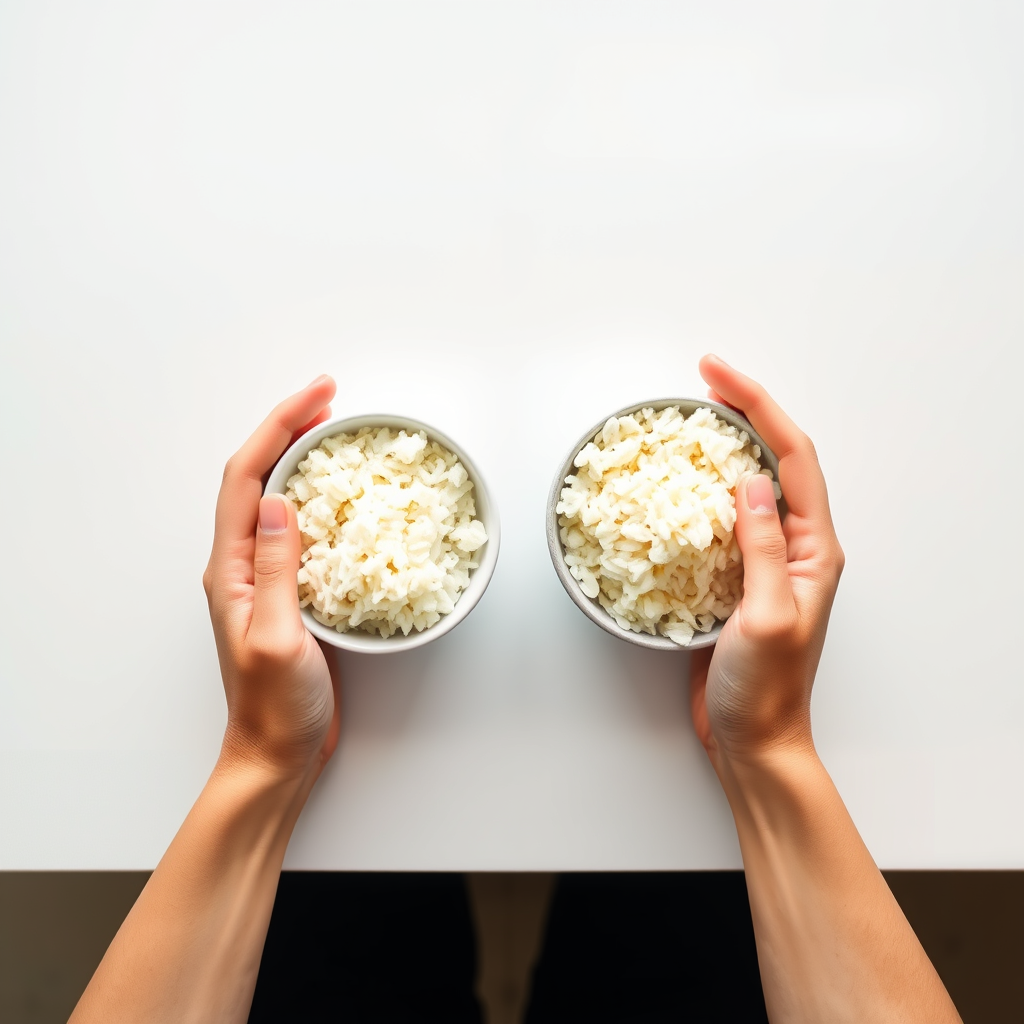
Skipping rice can help cut calories, but it is not a magic solution. Weight loss depends on total calories, food quality, and how long you keep the habit. A zero‑carbs approach may work for some people, yet it is not required for everyone.
Many beginners wonder whether they must stop eating rice to lose weight. The answer is simple: reducing rice can lower carbs and calories, but the key is overall balance. Let’s break this down step by step.
Contents
- 1 Introduction – Why the Rice Question Comes Up
- 2 How Weight Loss Really Works
- 3 The Place of Rice in a Typical Diet
- 4 Does Skipping Rice Actually Cut Calories Enough?
- 5 Zero Carbs vs. Low Carbs – What’s the Difference?
- 6 Benefits of Reducing or Skipping Rice
- 7 Drawbacks of a Complete Zero‑Carb Rice Strategy
- 8 How to Replace Rice Without Losing Nutrition
- 9 Practical Steps to Start Skipping Rice
- 10 Sample Meal Plan Featuring Rice Alternatives
- 11 Common Mistakes and How to Avoid Them
- 12 Is Skipping Rice Sustainable Long Term?
- 13 Who Should Be Cautious With Zero Carbs?
- 14 Conclusion – What’s the Bottom Line?
- 15 FAQs
Introduction – Why the Rice Question Comes Up
Rice is a staple for billions of people. It provides quick energy but also many carbs. When someone starts a weight‑loss plan, the first thing they notice is the carb count. This leads to the question: is skipping rice essential? And does a zero‑carbs diet make a difference?
How Weight Loss Really Works
Calories In vs. Calories Out
Weight loss happens when you burn more calories than you eat. The body stores extra energy as fat. No single food can change this basic rule.
Energy Balance Explained
If you eat 2,000 calories a day and use 2,500, you lose weight. If you eat 2,500 and use 2,000, you gain weight. The source of those calories—rice, meat, or candy—matters less than the total number.
Metabolism Basics
Your metabolism converts food into energy. Some foods require more effort to digest, but the effect is small. Eating fewer calories is the most reliable way to lose weight.
The Place of Rice in a Typical Diet
Nutritional Profile of White Rice
White rice is mostly starch, which turns into glucose quickly. It also contains small amounts of protein and almost no fat. One cup of cooked rice has about 150 calories and 35 grams of carbs.
Portion Size Matters
Most people eat more than one cup at a meal. Larger portions add extra calories and carbs, which can slow weight loss if not accounted for.
Cultural and Satiety Factors
Rice is filling for many cultures. It is often paired with vegetables, protein, and sauces. This combination can create a balanced meal, but it can also hide extra calorie sources.
Does Skipping Rice Actually Cut Calories Enough?
Quick Calorie Math
If you skip a cup of rice, you save roughly 150 calories. Over a week, that equals about 1,050 calories. That is roughly one-third of a pound of body fat.
Real‑World Impact
Cutting rice from every meal could save 300–500 calories daily. That amount can accelerate weight loss when combined with other healthy habits.
Not a Guaranteed Shortcut
Skipping rice alone will not guarantee weight loss if you replace it with high‑calorie foods. The overall calorie deficit must stay positive.
Zero Carbs vs. Low Carbs – What’s the Difference?
Defining Zero Carbs
A zero‑carb diet means eating less than 20 grams of carbs per day. It eliminates most grains, fruits, and starchy vegetables, including rice.
Low‑Carb Approach
A low‑carb diet allows some carbs—perhaps 50–100 grams daily. This is often more sustainable and still reduces insulin spikes.
Which One Fits Your Goal?
If you aim for rapid ketosis, zero carbs may help. If you prefer gradual changes, reducing rice is a gentler step.
Benefits of Reducing or Skipping Rice
Lower Insulin Response
Starches raise blood sugar quickly. Lower spikes mean the body stores less fat and burning fat becomes easier.
Improved Blood Sugar Control
People with insulin resistance often feel better avoiding large carb portions. This can aid weight loss and overall health.
Simpler Food Choices
Fewer carbs often lead to eating more protein, healthy fats, and vegetables. Those foods tend to be more satiating.
Drawbacks of a Complete Zero‑Carb Rice Strategy
Risk of Nutrient Gaps
Rice, especially brown rice, supplies small amounts of B vitamins, magnesium, and fiber. Cutting it without substitutes may leave you deficient.
Potential for Increased Fat IntakeTo replace rice, many people add more fats like avocado or nuts. If portions grow too large, calories can rise again.
Social and Cultural Challenges
Rice appears in many traditional dishes. Removing it may feel isolating at family meals or cultural events.
How to Replace Rice Without Losing Nutrition
Choose Whole Grains
Quinoa, barley, or farro provide fiber and protein while still being grain‑based. They have a similar texture but lower glycemic impact.
Use Veggie Alternatives
Cauliflower rice, made by grating raw cauliflower, mimics the texture of white rice. It contains far fewer carbs and calories.
Incorporate Legumes
Lentils, chickpeas, or black beans can serve as a heartier base. They add protein, fiber, and a satisfying bite.
Portion Control Tools
Using kitchen scales or measuring cups ensures that new carb sources stay within your calorie goals.
Practical Steps to Start Skipping Rice
Step 1: Assess Your Current Intake
Track meals for three days. Note how many times rice appears and the portion size.
Step 2: Set a Realistic Goal
Decide to replace one rice meal per day with a lower‑calorie alternative. Start small and build habit.
Step 3: Pick a Substitute
Choose cauliflower rice for stir‑fries, quinoa for bowls, or a salad base for lighter meals.
Step 4: Prepare in Advance
Cook extra vegetables on the weekend. Store them in the fridge for quick assembly during busy weeks.
Step 5: Monitor Calories and Feelings
Log daily calorie intake and note hunger levels. Adjust portions if you feel unsatisfied.
Step 6: Review and Adjust
After two weeks, evaluate weight trends and energy. Keep what works; tweak what doesn’t.
Sample Meal Plan Featuring Rice Alternatives
Breakfast: Greek yogurt with berries and a sprinkle of chia seeds.
Mid‑Morning Snack: Apple slices with a tablespoon of almond butter.
Lunch: Quinoa bowl with grilled chicken, roasted broccoli, and a lemon‑tahini dressing.
Afternoon Snack: Cottage cheese with cucumber sticks.
Dinner: Stir‑fry using cauliflower rice, shrimp, bell peppers, and soy sauce (low‑sodium).
Evening Snack (optional): A handful of walnuts.
Each meal aims to keep carbs under 50 grams per day while staying under 1,800 calories.
Common Mistakes and How to Avoid Them
Mistake 1: Over‑relying on Processed “Rice‑Free” Products
Many packaged snacks claim to be carb‑free but are high in unhealthy fats. Read ingredient lists carefully.
Mistake 2: Ignoring Portion Sizes
Even low‑calorie substitutes can add up if you eat large amounts. Use measuring tools.
Mistake 3: Cutting All Carbs Too Quickly
Rapid carb elimination can cause fatigue, headaches, and cravings. Gradual reduction works better.
Mistake 4: Skipping Protein
When you remove rice, you may also lower protein intake. Include lean meat, fish, eggs, or plant‑based proteins.
Mistake 5: Not Staying Hydrated
Low‑carb diets can cause water loss. Drink plenty of water to support metabolism and satiety.
Is Skipping Rice Sustainable Long Term?
Sustainability depends on personal preferences, lifestyle, and health goals. Some thrive on a strict zero‑carb plan; others prefer a balanced approach that allows occasional rice.
Think of this as a habit rather than a diet. If you can enjoy meals without rice and feel satisfied, the habit may stick. If rice is a cultural cornerstone, consider moderation instead of elimination.
Who Should Be Cautious With Zero Carbs?
People With Diabetes
Rapid carb reduction can cause blood sugar to drop too low. Monitor glucose closely and consult a healthcare professional.
Pregnant or Breastfeeding Women
These groups need adequate carbohydrate energy for fetal growth and milk production. Speak with a doctor before major changes.
Athletes and Highly Active Individuals
Endurance and strength work rely on glycogen stores. Very low carbs may impair performance.
Those With A History of Eating Disorders
Extreme restriction can trigger unhealthy patterns. Seek guidance from a mental‑health professional.
Conclusion – What’s the Bottom Line?
Skipping rice can reduce calories and carbs, which may help weight loss when the overall diet stays in a calorie deficit. A zero‑carbs approach is not mandatory; many people achieve success by simply cutting back on rice portions and choosing healthier substitutes. Focus on whole foods, watch portion sizes, and keep an eye on total daily calories. If you feel good, stay consistent, and meet your goals, the strategy works for you.
Next step: Start tracking your rice intake today. Replace one serving with a vegetable or whole‑grain alternative and see how your hunger and energy respond.
FAQs
Is skipping rice the same as going on a zero‑carbs diet?
No. Skipping rice only removes one carb source. Zero‑carbs means cutting all carbs below 20 grams per day.
Can I lose weight without cutting any carbs?
Yes, if your total calories remain lower than what you burn. Carbs can be part of a weight‑loss plan if portions are controlled.
How many calories do I save by skipping a cup of rice?
About 150 calories per cup of cooked white rice. The savings add up over the day.
Do I need to count every grain of rice I eat?
For accurate tracking, measure portions. Estimating works once you get a feel for typical serving sizes.
Is cauliflower rice nutritionally equivalent to white rice? It has far fewer carbs and calories, but also less fiber and some vitamins. Pair it with other vegetables for balance.
Can I eat rice and still lose weight?
Yes, if you keep the portion small and balance it with protein and vegetables. Total calories stay the priority.
What are the best low‑carb rice alternatives?
Cauliflower rice, quinoa, barley, farro, and shredded konjac are popular choices.
Will skipping rice improve my energy levels?
Some people feel steadier energy after reducing large carb spikes, but individual responses vary.
Is a zero‑carb diet safe for everyone?
No. People with certain health conditions, pregnant women, and athletes should consult a professional before adopting it.
Each answer is short, clear, and ready for voice assistants or featured snippets.